Trade Me’s Journey Towards a Thinnest Viable Platform (TVP)
How did New Zealand’s largest online marketplace cut time to "Hello World” from 3 weeks to 1 day?
Trade Me’s journey towards a Thinnest Viable Platform (TVP)—now featured in the second edition of Team Topologies—shows how platform thinking can speed up delivery and reduce cognitive load.
What you will learn in this case study
🔵 Why Trade Me needed a new approach
🔵 How the TVP was designed and its guiding principles
🔵 How they delivered value from the very first iteration
🔵 The impact on developer experience and delivery speed
🔵 Lessons learned you can apply in your own teams
The Team Topologies Success Toolkit™ is a carefully curated collection of trusted tools that work seamlessly with Team Topologies patterns and principles. These aren’t just any tools - they’re specifically designed and enhanced to bring Team Topologies concepts to life at scale. Start here!
more Case studies
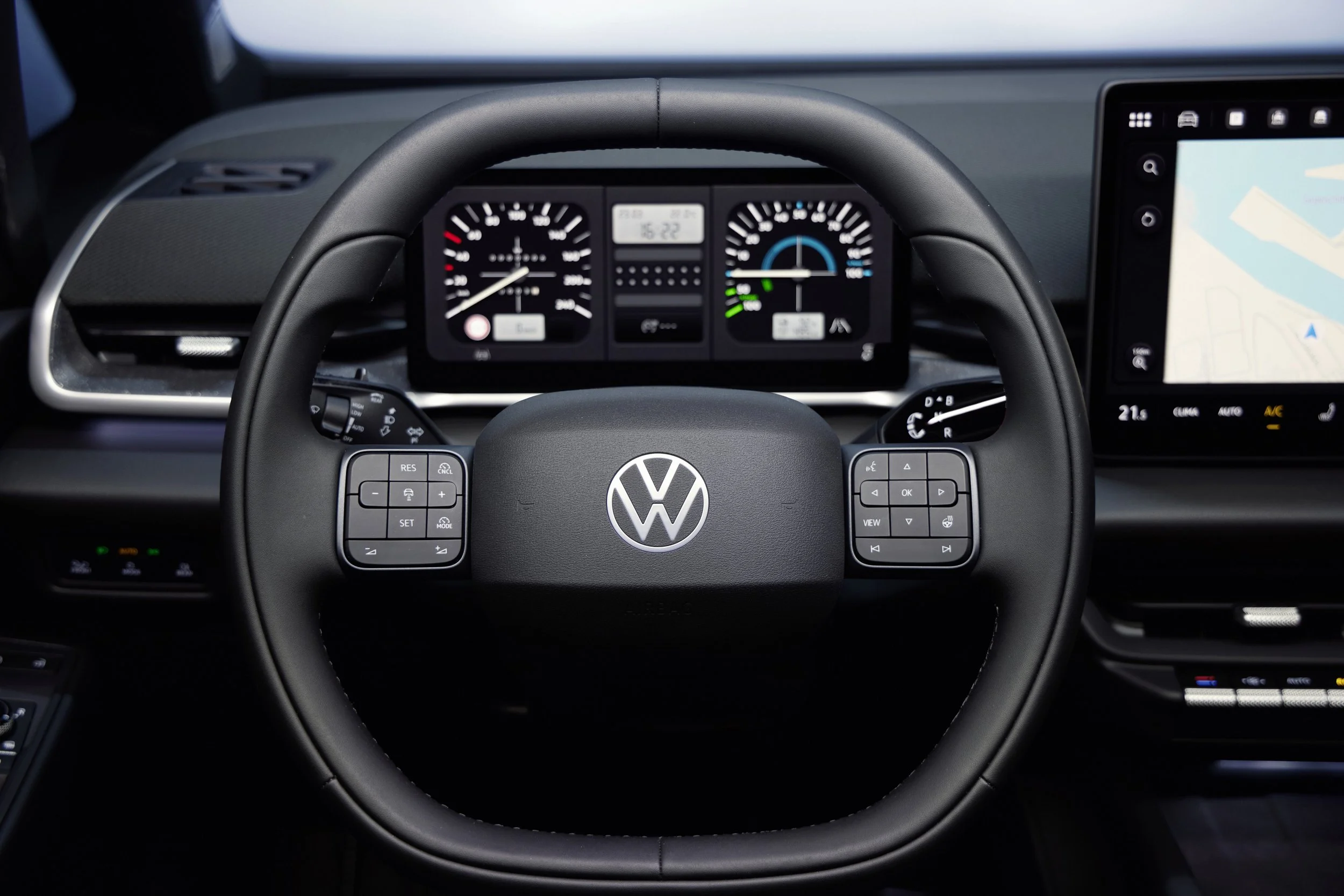
“Our experience at Volkswagen Group Aftersales shows that Team Topologies is not merely a theoretical framework; it provides the decisive language and robust thinking framework required to ensure that architecture, team boundaries, and ownership are deliberately co-designed.”

Through key engagements with the National Health Service (NHS), the UK Health Security Agency (UKHSA), and the Home Office, we have demonstrated that Team Topologies is a powerful catalyst for a better society. This case study details our journey, contrasting past failures with pandemic-era breakthroughs, analyzing how Team Topologies was operationalised across vaccination booking, testing, UKHSA threat responses, and immigration systems, and outlining recommendations for UK public sector leaders.

Founded in 2012, Creditas, a Brazilian fintech, is a consumer lending startup that operates a digital platform providing secured loans and low interest rates. By 2022, Creditas had over 3.000 employees and was serving a broad range of products related to consumer loans, with B2C and B2B2C models.
In this case study, we will deep drive into how we evolved from a single team with multiple products, to a full product tribe with a platform team to support internal stream-aligned teams for fast flow of value.
In just three years, Yassir scaled from 50 engineers to 400, serving 8 million customers across 45 cities. This rapid growth came with a price: tangled team structures, misaligned priorities, and mounting delivery bottlenecks. In this case study we show how Team Topologies helped turn chaos into clarity and faster flow.
This case highlights how applying Team Topologies principles can evolve an organization into a high-performing, empowered ecosystem capable of delivering value faster, with greater sustainability and team well-being. REA Group’s Financial Services division undertook a major transformation to address slow delivery, high cognitive load, and inefficiencies caused by large, monolithic teams. By adopting Team Topologies, the organization restructured into small, autonomous, stream-aligned teams and introduced a strong focus on flow efficiency, intentional ways of working, and cognitive load management.
In this case study, Alfa Financial Software, a leading provider of asset finance SaaS, addressed the scaling challenges of its organically grown engineering structure by implementing the Alfa Development Model (ADM). By adopting principles from Team Topologies, the company restructured its teams to reduce cognitive load and optimise workflow. This strategic shift allowed Alfa to maintain its collaborative culture while ensuring sustainable, long-term software delivery for its global clients, including major institutions like Mercedes-Benz and Santander.

EBSCO Information Services, a leading provider of research databases, leveraged Team Topologies with Conflux's support, Team Topologies Solution Partner, to optimize its organizational dynamics for software delivery.

This case study, Reteaming for Fast Flow, outlines how Pirate Ship Software GmbH, a cloud-based shipping software company, successfully reorganized its Hamburg development team to support significant growth. Faced with scaling limits, unclear domain ownership, and excessive cognitive load across three overloaded feature teams, the company sought a new structure that could integrate 10 additional developers effectively
This case study is particularly relevant for change makers in organizations who aspire to co-create more adaptive, human-centered organizations. Blue Lagoon’s transformation demonstrates how trust, collaboration, and systemic thinking can unlock agility and sustainable growth, without compromising culture.